From the Field
Lawn care advice from someone who knows Kansas soil.
Practical tips on fertilizing, weed control, and keeping your lawn healthy — written by Terrill Unruh.
Practical tips on fertilizing, weed control, and keeping your lawn healthy — written by Terrill Unruh.
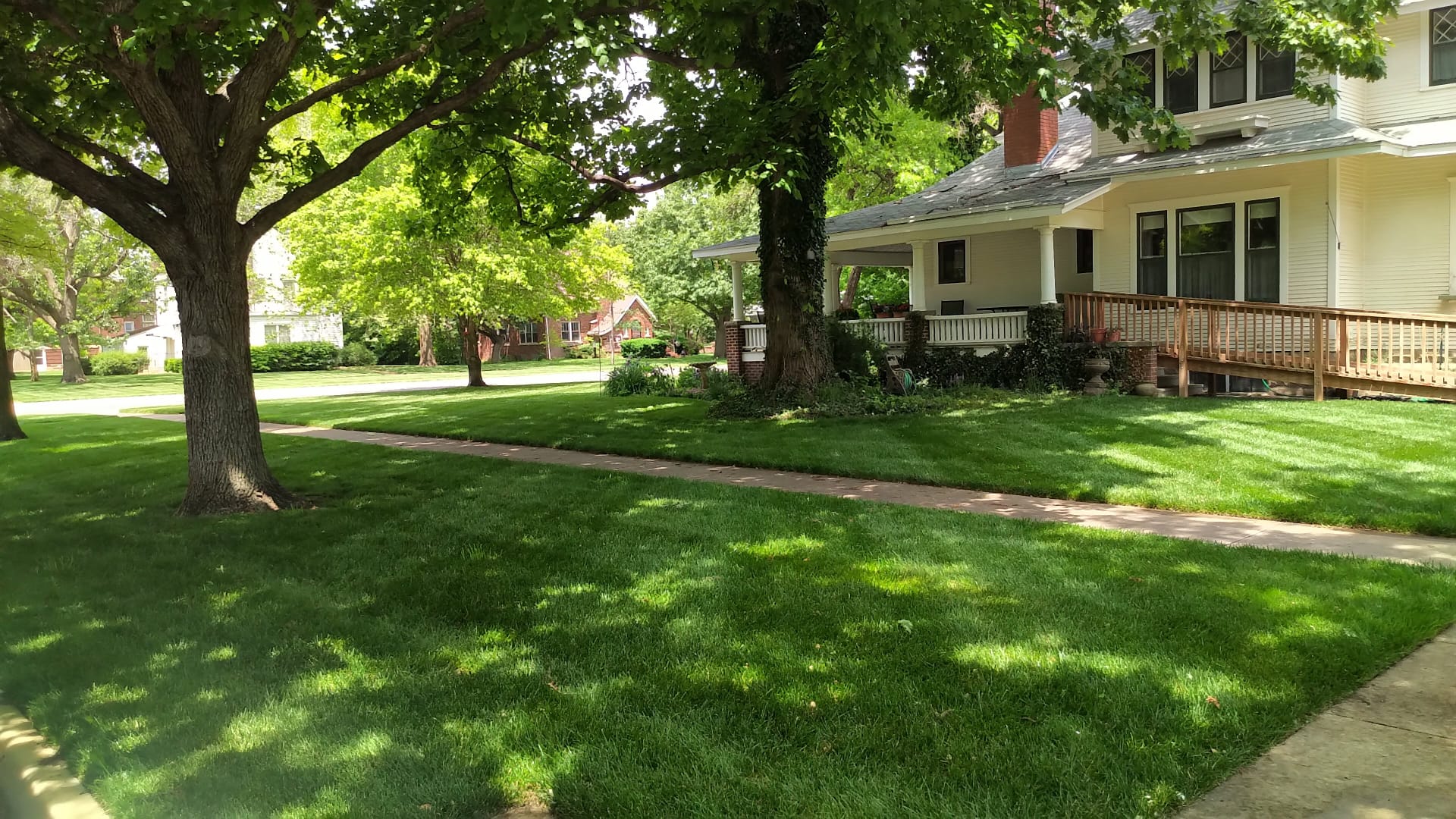
People often ask when they should spread crabgrass preventer. That is a hard question — if we have a warm early spring it needs to be put on earlier. You have probably heard the rule of thumb: put crabgrass preventer on before the Red Buds bloom. That always seems a little on the late side. If you have a protected area on the south side of a brick building, for example, that area may germinate well before the Red Buds bloom because the soil temperatures will be much warmer there. A good time would be after you mow your grass for the first time, around the middle of March.
By Terrill Unruh Read Article →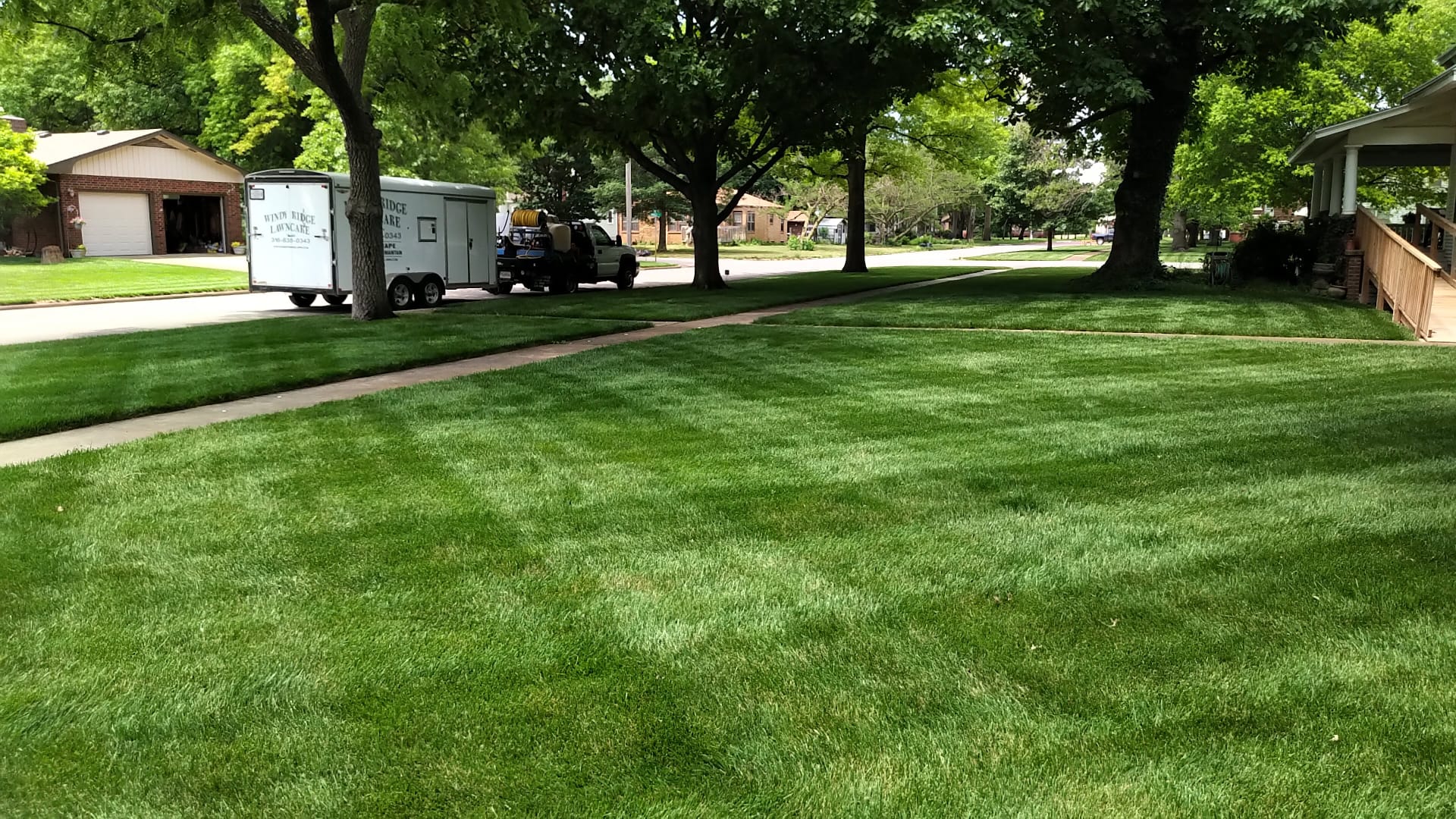
We spread about half of the crabgrass preventer needed for the year in the first application, then spray the remaining half with the next visit. The reason we do this is to try to get better control on the crabgrass. It only takes about half the yearly rate to stop the seed from germinating — the remaining half stays in the soil and keeps all the seeds that would germinate throughout the year from sprouting. So we do the split application in case we leave any skippers — we are less likely to skip the same area twice. It gives us about 6 weeks longer control.
By Terrill Unruh Read Article →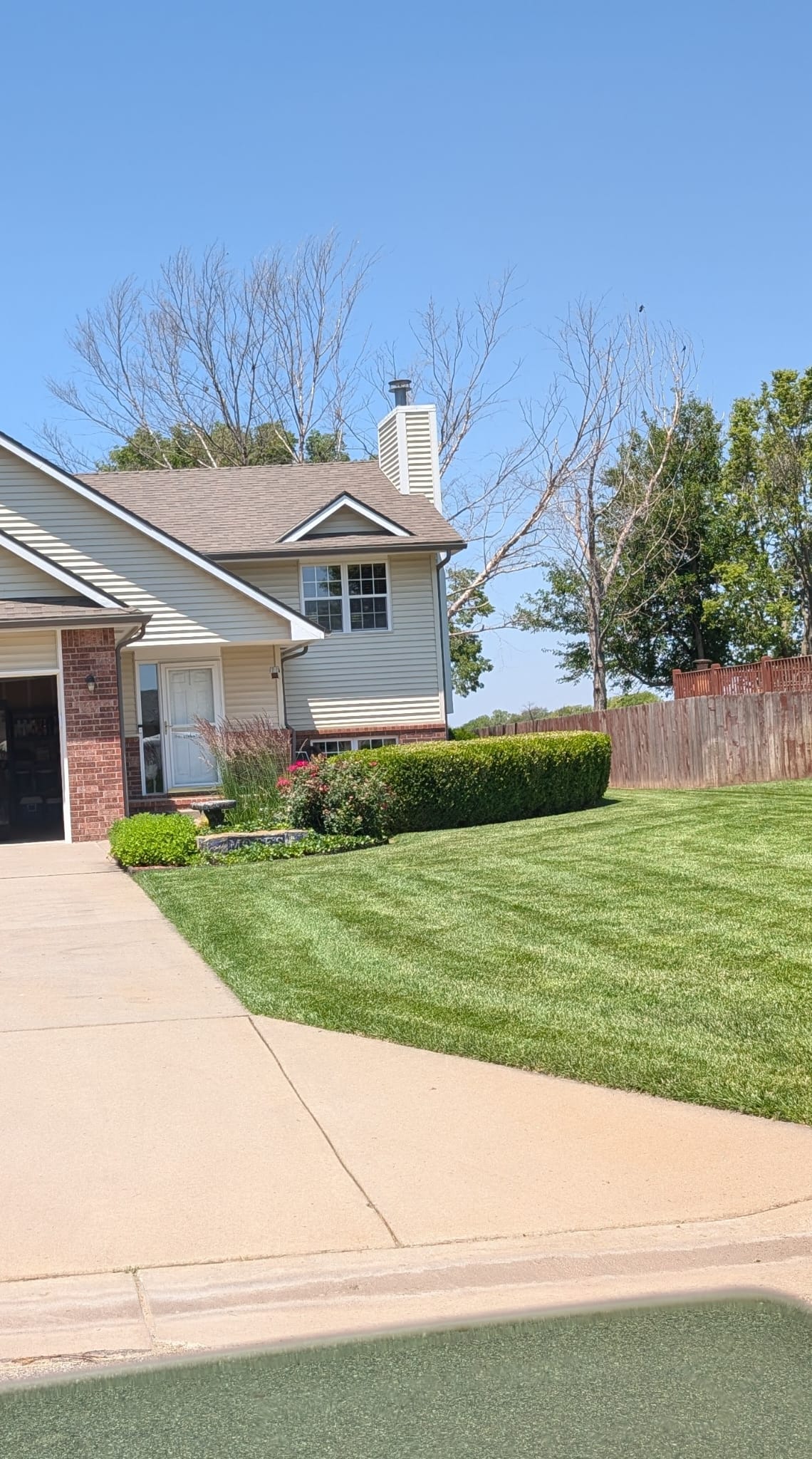
Armyworm damage almost looks like grubworm damage, but when you pull up on the grass it is firmly rooted — whereas grubs eat off the grass just under the dirt, and pulling on the grass causes it to come up like sod with dirt attached to the roots. Armyworms tend to do a lot of damage in a short amount of time. They eat the grass blade down to the crown, but they do not necessarily kill the grass if treated promptly. If you want to spray, Tempo or Talstar works very well.
By Terrill Unruh Read Article →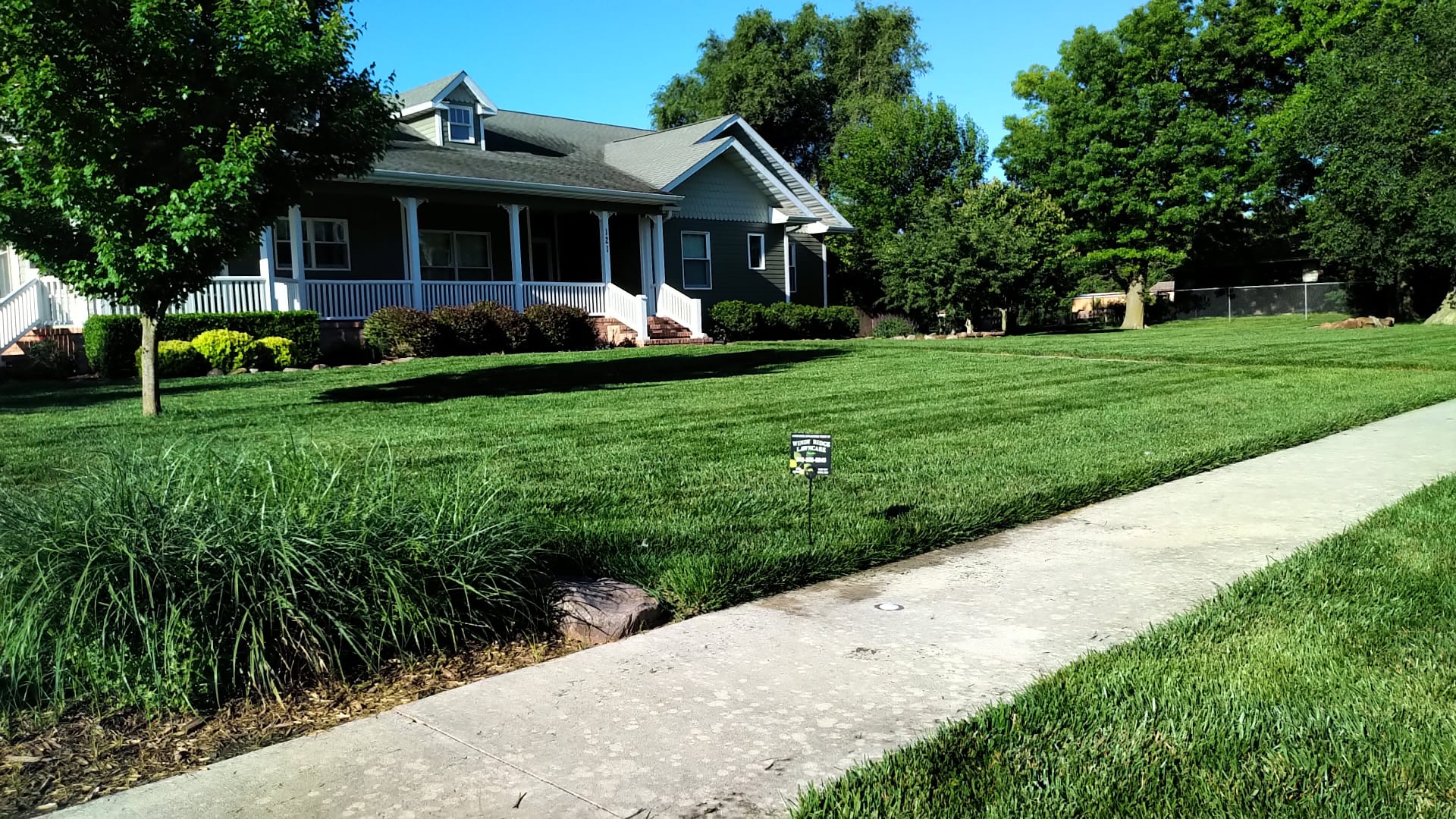
If we only spread fertilizer we are doing nothing to improve your soil. Fertilizer is only feeding the grass. If your soil is healthy, your grass will look good with less water and less fertilizer. We spray a product called Sanctuary that contains Mycorrhizae — beneficial bacteria that feeds the microbial activity in the soil. The more microbes, the healthier your soil and thus healthier grass. We also use a micronutrient package that feeds your lawn with minerals to help it stay healthy through the hot part of the season.
By Terrill Unruh Read Article →
When is the best time to do spring cleanup and prune our bushes, roses, and grasses? It seems like our main purpose for doing it early is looks — keeping up with the Joneses. But often there is no thought given to the health of the plant. Knockout roses that were pruned early can freeze back significantly from a late frost. And ornamental grasses are susceptible too. That unsightly trash from last year — the old vegetation and fallen leaves — is actually a protector for the tender new shoots growing underneath.
By Terrill Unruh Read Article →